


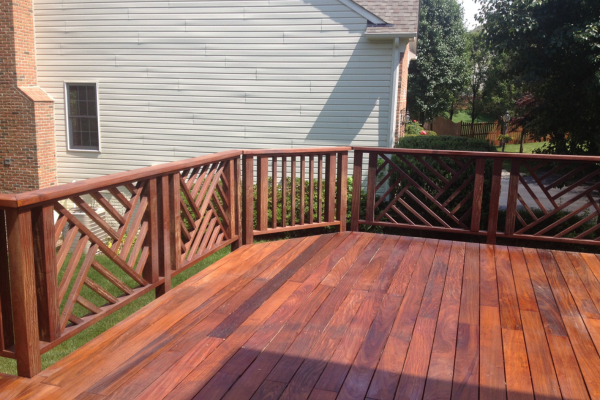
Deck Surface Preparation is more than just sanding boards. When I first heard about it, I thought I understood the process. Like many homeowners in Fairfax County and Prince William County, I assumed it was all about removing old stain, leveling uneven boards, or smoothing out splinters. After scheduling a professional deck wash and watching the process in action, I realized the real purpose of deck surface preparation is quite different. It’s about getting the wood ready for stain and long term maintenance not aggressively removing material.
Booking was simple. I could text 703-496-5113, email info@washmydeck.com, call 703-582-9274, or visit the website washmydeck.com. I appreciated the flexible scheduling and 24hour cancellation policy, which made planning around weather effortless.
Many homeowners, myself included, think sanding is designed to strip old paint, flatten boards, or remove deep splinters. In reality, it doesn’t do these things. Paint and solid stains sink deep into the wood fibers, and trying to remove them entirely with sanding can damage the boards. Aggressive sanding may even create small dips where water collects, weakening the deck over time. Some older coatings can also contain lead, which could be hazardous if disturbed.
Professional sanding is primarily a surface refinement step, not a wood removal process. After washing, wood fibers often stand up like tiny hairs, creating a rough texture. Sanding gently smooths these fibers, opens the wood pores to improve stain absorption, brightens the surface, and protects the board’s structure. Think of it like buffing your nails before applying polish this step ensures the stain adheres evenly and lasts longer.
Deck surface preparation works best after a thorough cleaning and just before staining. It’s particularly important if your deck shows fuzzy wood fibers, if you want better stain adhesion, or if you’re aiming for a more uniform color. Skipping this step won’t ruin your deck, but it can result in a duller, uneven finish that may peel sooner than expected. A properly prepared deck accepts stain evenly and keeps it looking fresh longer.

Before sanding, my deck looked tired and rough. Washing improved the appearance, but the raised fibers were still noticeable.
After sanding:
Boards felt smoother without looking ground down
Color appeared more natural and consistent
Stain soaked in evenly and looked richer
The crew explained each step, and I learned more about deck maintenance sanding than I had in years of guessing.

Many contractors skip sanding or use aggressive tools that remove too much wood.
Professional carbide brush sanding:
Follows the wood grain
Smooths fibers without gouging boards
Improves stain penetration
Extends stain life
Homeowners in Fairfax County, Prince William County, and surrounding areas should view deck sanding as a performance upgrade, not a paint removal method.
Sanding doesn’t fix major defects, but it does prepare healthy wood to perform better. With proper surface preparation, stain absorbs evenly, looks richer, and lasts longer. In short, a deck that’s carefully prepared will not only look refreshed but will stand up to the elements for years to come.
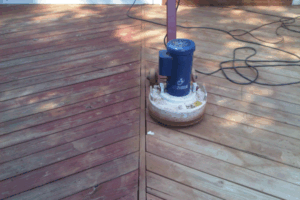
Deck sanding should happen after the deck is fully cleaned and before applying stain. Sanding smooths raised fibers and helps stain absorb evenly.
Sanding isn’t always required, but it improves adhesion and creates a smoother, longer-lasting finish.
No. Paint and solid stains sink deep into cracks and pores. Sanding cannot fully remove them without damaging the wood.
Deck sanding smooths raised fibers, improves stain adhesion, ensures even color, and helps the finish last longer.
Professional carbide brush sanding is ideal. It follows the grain, protects the board, and prepares the surface for stain.
